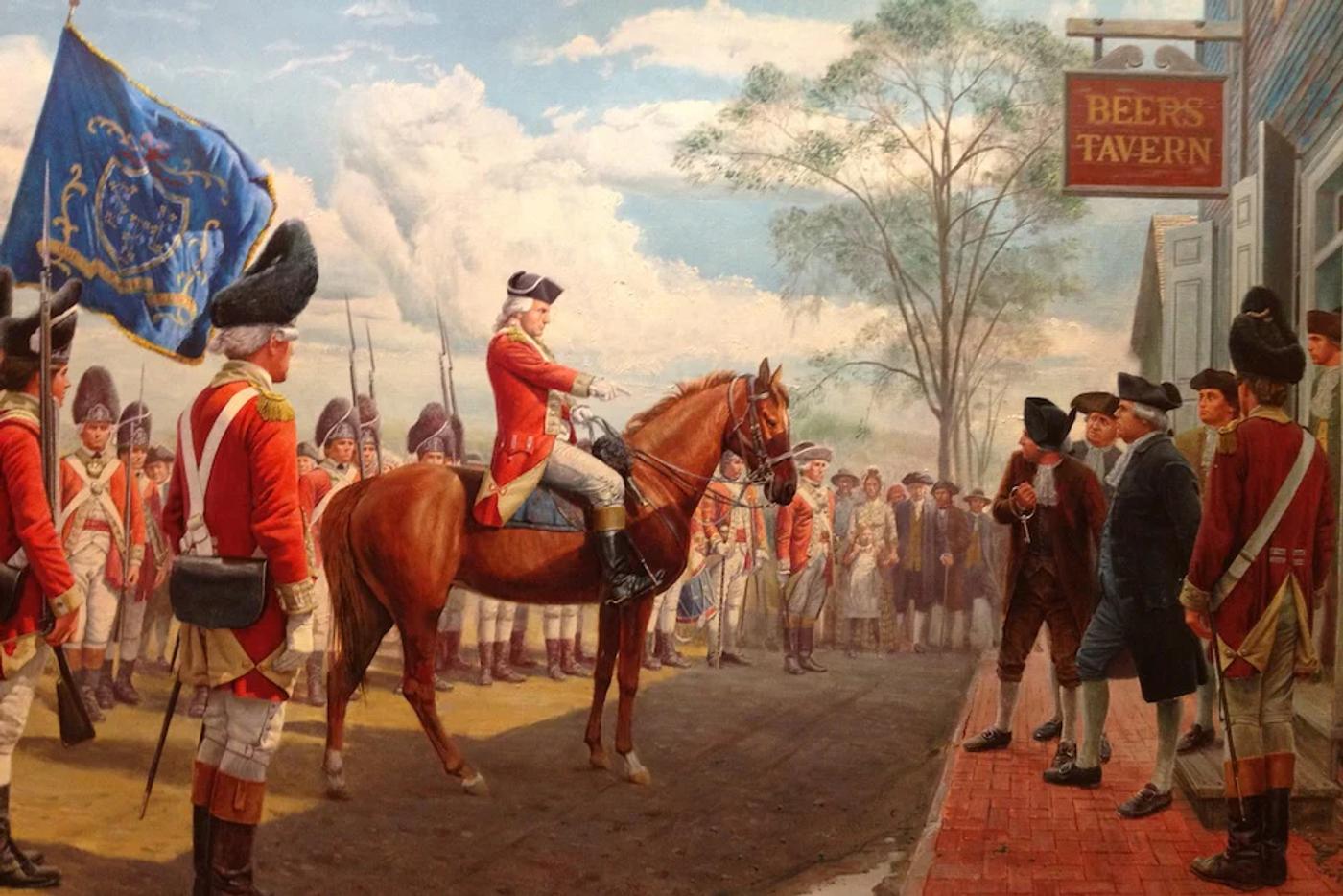
Portrait of Benedict Arnold demanding the keys to the Powder House.Photo: "Benedict Arnold Demands the Powder House Key", by Morton Kunstler 1991
2026 · In Development

Revolutionary New Haven: Myths of America

A special preview about Patriots, Loyalists, and the myths America carries forward.

In Development

This production is actively taking shape. Tickets are $40 each and go on sale September 14, 2026 at noon Eastern. See the performance schedule below.

A Broken Umbrella Theatre presents a special preview of its newest work inspired by New Haven history.

In this 250th anniversary year, Revolutionary New Haven: Myths of America explores what it was like to be in New Haven in 1776 for Patriots, Loyalists, and those undecided, as well as what may lie ahead in year 251 and beyond.

DowntownNeighborhoods in this work
1776

Revolutionary War

New Haven plays a visible role in the American Revolution and in the region's political realignment.

The People of Revolutionary New Haven

These four figures anchor the story: a merchant-soldier, a founding statesman, a builder of the city, and a printer who kept the revolutionary public informed.

Traitor or trader?

Benedict Arnold
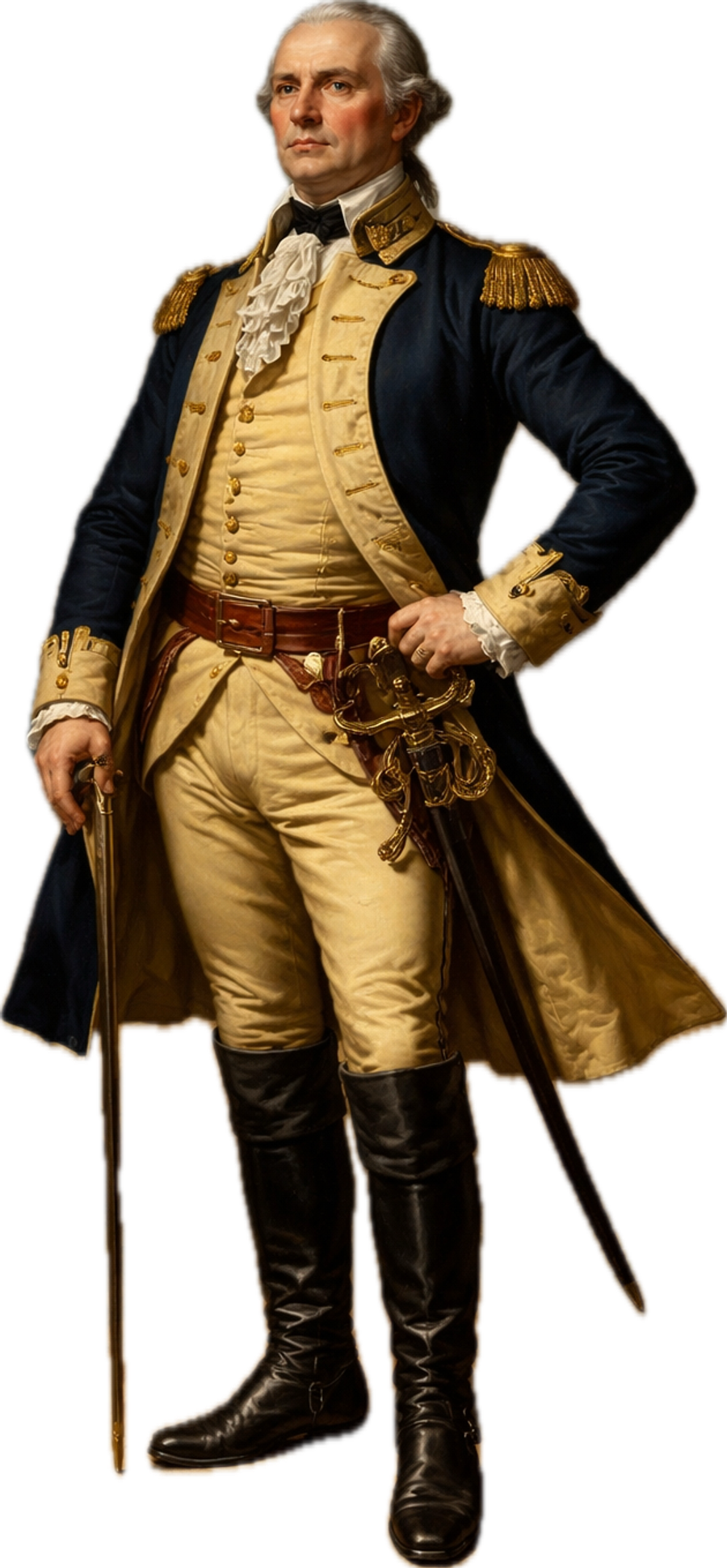
Portrait illustration of Benedict Arnold in Continental Army uniform holding a sword.

Arnold lived on Water Street as a merchant in partnership with his sister Hannah Arnold, who raised his three sons after his wife's death and managed his affairs when he went to war. But this isn't about her. On Powder Day in New Haven, Arnold demanded the keys to the town powder house so the townspeople could rise up and join the Revolution. The treason happened later in Philadelphia. While he was in New Haven, Arnold was always a revolutionary.
The work horse, not the show horse.

Roger Sherman

Portrait illustration of Roger Sherman holding a document and a book.

Everyone remembers John Hancock's signature, but Sherman is the only person who signed all four founding documents of the United States: the Continental Association, the Declaration of Independence, the Articles of Confederation, and the Constitution. Benedict Arnold's grandfather, also named Benedict Arnold, was New Haven's first mayor, but Sherman served multiple terms during the Revolutionary era, from 1784 to 1786 and again from 1789 to 1793. Visit his house when you dine at the Union League, and remember that Sherman was the work horse, not the show horse, of the founding generation.

A Family that Built New Haven

Jethro Luke

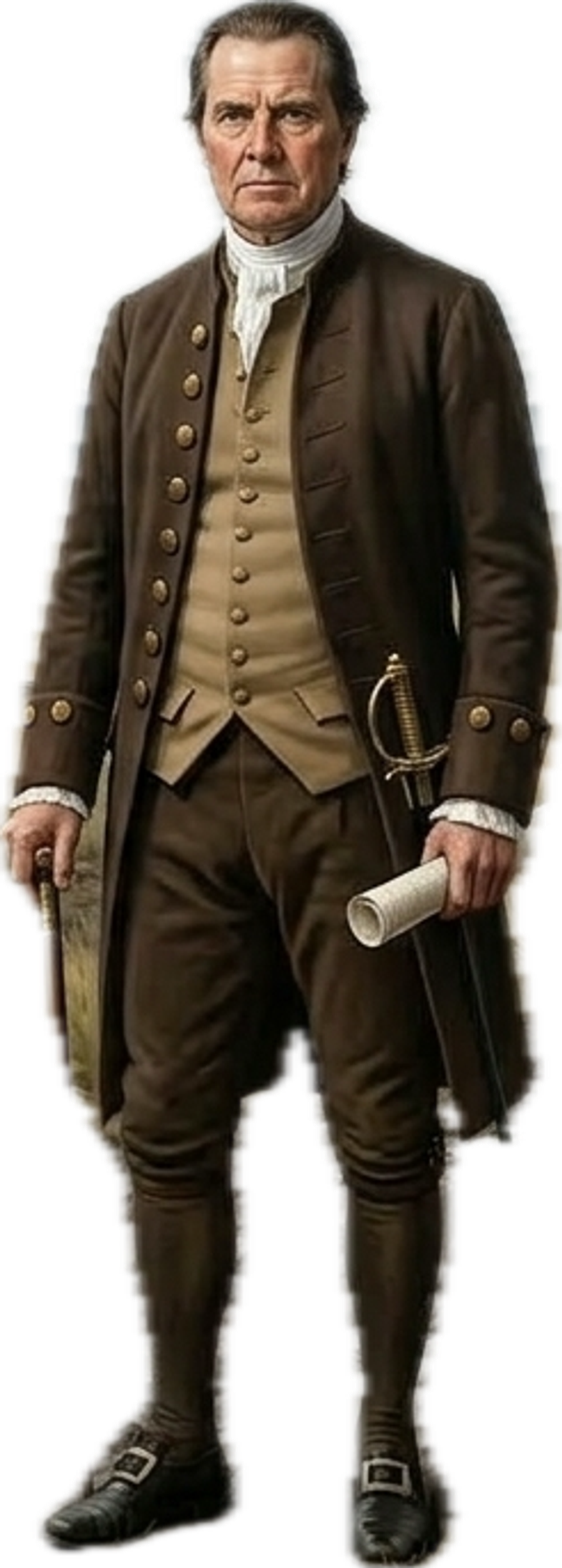
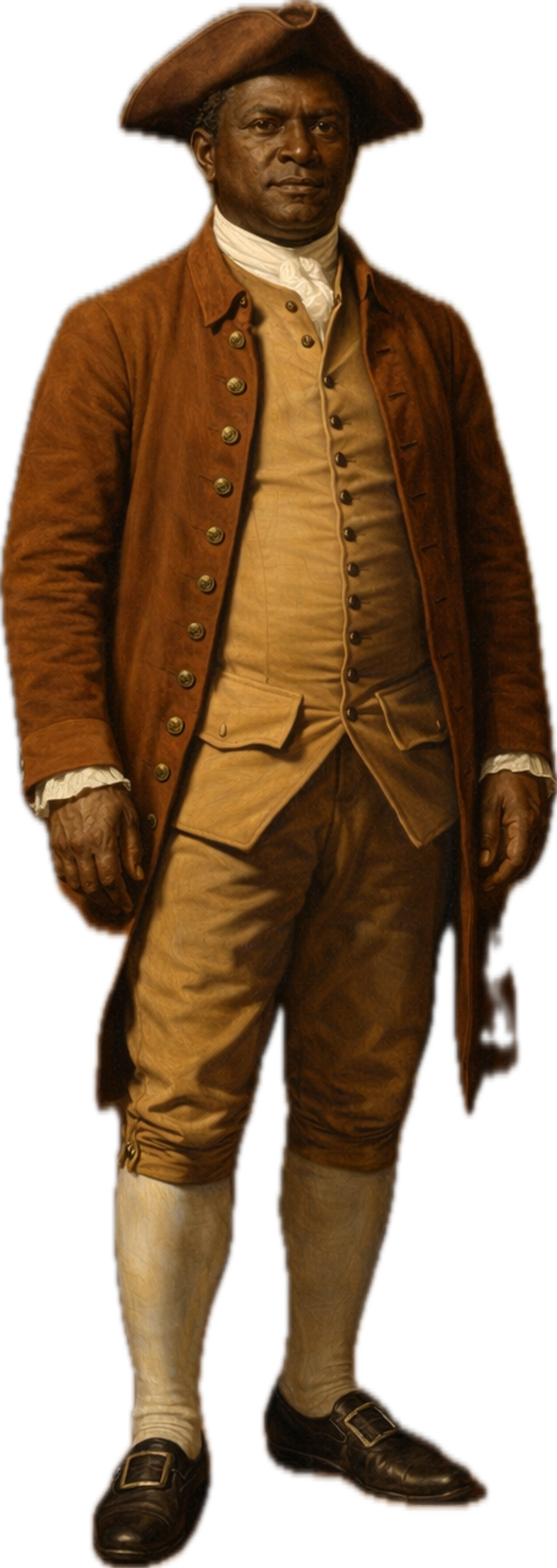
Portrait illustration of Jethro Luke standing in a brown coat and tricorn hat.

Luke was New Haven's earliest known Black property owner after securing his freedom in 1740. He worked on construction projects, including Yale's Connecticut Hall, alongside his son Gad. Records note that Gad and Jethro worked a combined 191 and a half days there, performing jobs such as making mortar. Luke died before the Revolution, but his contribution is foundational to the city itself. At the corner of Ashmun and Grove, remember Jethro, his wife Ruth, and their son Gad. They farmed, they built, they prayed. They lived.

Someone had to keep the Revolutionaries informed.

Hannah Bunce Watson

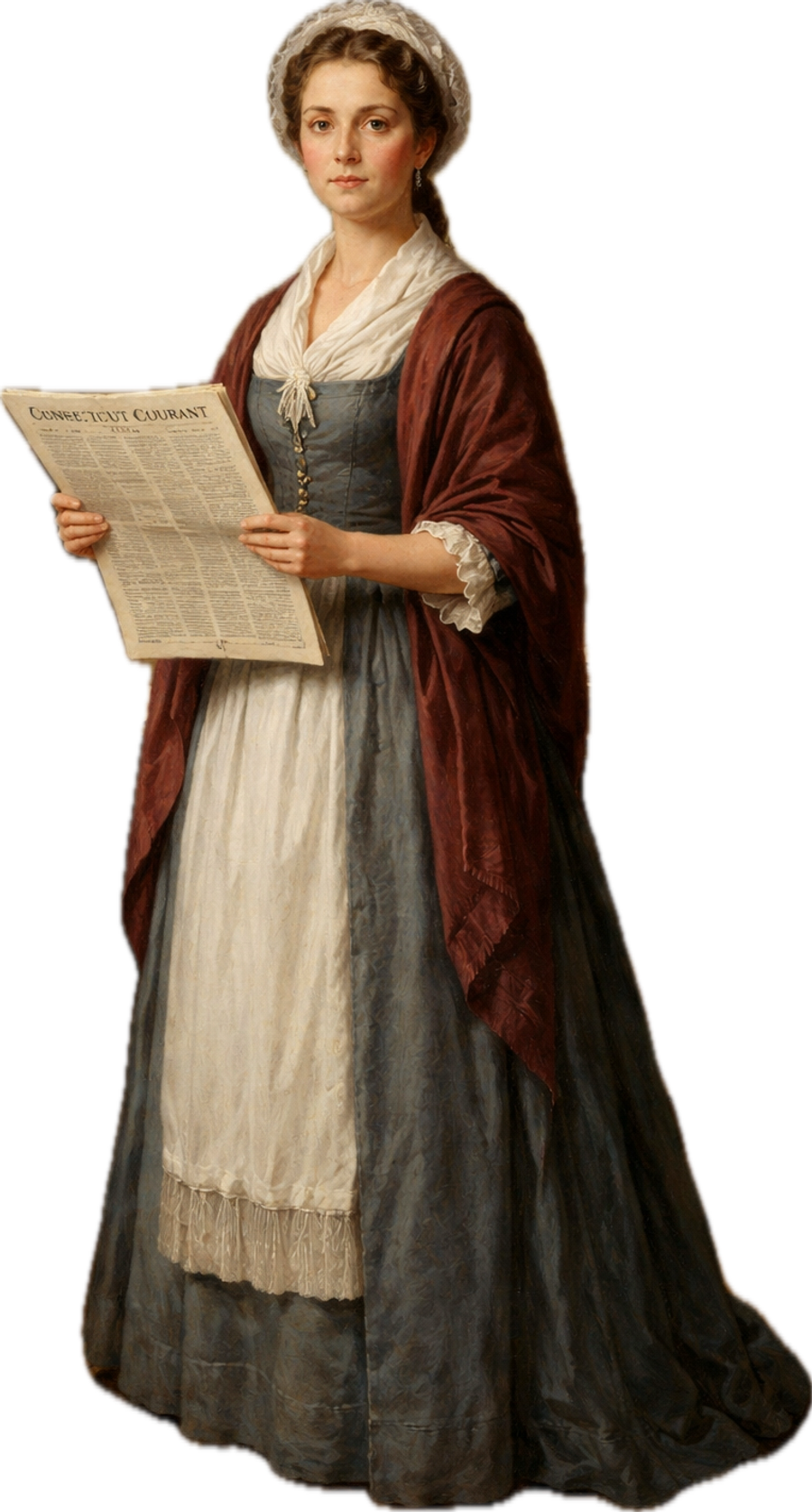
Portrait illustration of Hannah Bunce Watson holding a copy of the Connecticut Courant.

Born in Hartford, Watson married New Haven printer and publisher Thomas Green. When he died in 1773, she raised their five children and took over publication of the Connecticut Courant, now known as the Hartford Courant. She kept the press running through the Revolutionary War when the alternatives were Tory-aligned papers. At one point the paper's circulation reached 8,000, even as Boston papers had been shut down by the British. Someone had to keep the Revolutionaries informed. She did.

Support Work Like This

Original productions rooted in New Haven history only happen because people invest in the work behind them.

Make a donation
1776

Revolutionary War

New Haven plays a visible role in the American Revolution and in the region's political realignment.

The People of Revolutionary New Haven

These four figures anchor the story: a merchant-soldier, a founding statesman, a builder of the city, and a printer who kept the revolutionary public informed.

Traitor or trader?

Benedict Arnold

Portrait illustration of Benedict Arnold in Continental Army uniform holding a sword.

Arnold lived on Water Street as a merchant in partnership with his sister Hannah Arnold, who raised his three sons after his wife's death and managed his affairs when he went to war. But this isn't about her. On Powder Day in New Haven, Arnold demanded the keys to the town powder house so the townspeople could rise up and join the Revolution. The treason happened later in Philadelphia. While he was in New Haven, Arnold was always a revolutionary.
The work horse, not the show horse.

Roger Sherman

Portrait illustration of Roger Sherman holding a document and a book.

Everyone remembers John Hancock's signature, but Sherman is the only person who signed all four founding documents of the United States: the Continental Association, the Declaration of Independence, the Articles of Confederation, and the Constitution. Benedict Arnold's grandfather, also named Benedict Arnold, was New Haven's first mayor, but Sherman served multiple terms during the Revolutionary era, from 1784 to 1786 and again from 1789 to 1793. Visit his house when you dine at the Union League, and remember that Sherman was the work horse, not the show horse, of the founding generation.

A Family that Built New Haven

Jethro Luke

Portrait illustration of Jethro Luke standing in a brown coat and tricorn hat.

Luke was New Haven's earliest known Black property owner after securing his freedom in 1740. He worked on construction projects, including Yale's Connecticut Hall, alongside his son Gad. Records note that Gad and Jethro worked a combined 191 and a half days there, performing jobs such as making mortar. Luke died before the Revolution, but his contribution is foundational to the city itself. At the corner of Ashmun and Grove, remember Jethro, his wife Ruth, and their son Gad. They farmed, they built, they prayed. They lived.

Someone had to keep the Revolutionaries informed.

Hannah Bunce Watson

Portrait illustration of Hannah Bunce Watson holding a copy of the Connecticut Courant.

Born in Hartford, Watson married New Haven printer and publisher Thomas Green. When he died in 1773, she raised their five children and took over publication of the Connecticut Courant, now known as the Hartford Courant. She kept the press running through the Revolutionary War when the alternatives were Tory-aligned papers. At one point the paper's circulation reached 8,000, even as Boston papers had been shut down by the British. Someone had to keep the Revolutionaries informed. She did.

DowntownNeighborhoods in this work