Portrait of Benedict Arnold demanding the keys to the Powder House.Photo: "Benedict Arnold Demands the Powder House Key", by Morton Kunstler 1991
2026 · The Blake Street Center

Revolutionary Haven: Myths of AmericaA special preview about Patriots, Loyalists, and the myths America carries forward.

Get tickets

Go to ticketing for current availability and reservations.

All start times are approximate and subject to change. Times are Eastern.

Oct 2026

1112131415
192021

AvailableWaitlistUnavailableUnconfirmed

Friday, October 16, 2026

495 Blake St, New Haven, CT

Choose a time · Eastern

Approximate runtime: 30 minutes.

Recommended for ages 10 and up.

Notify me about tickets

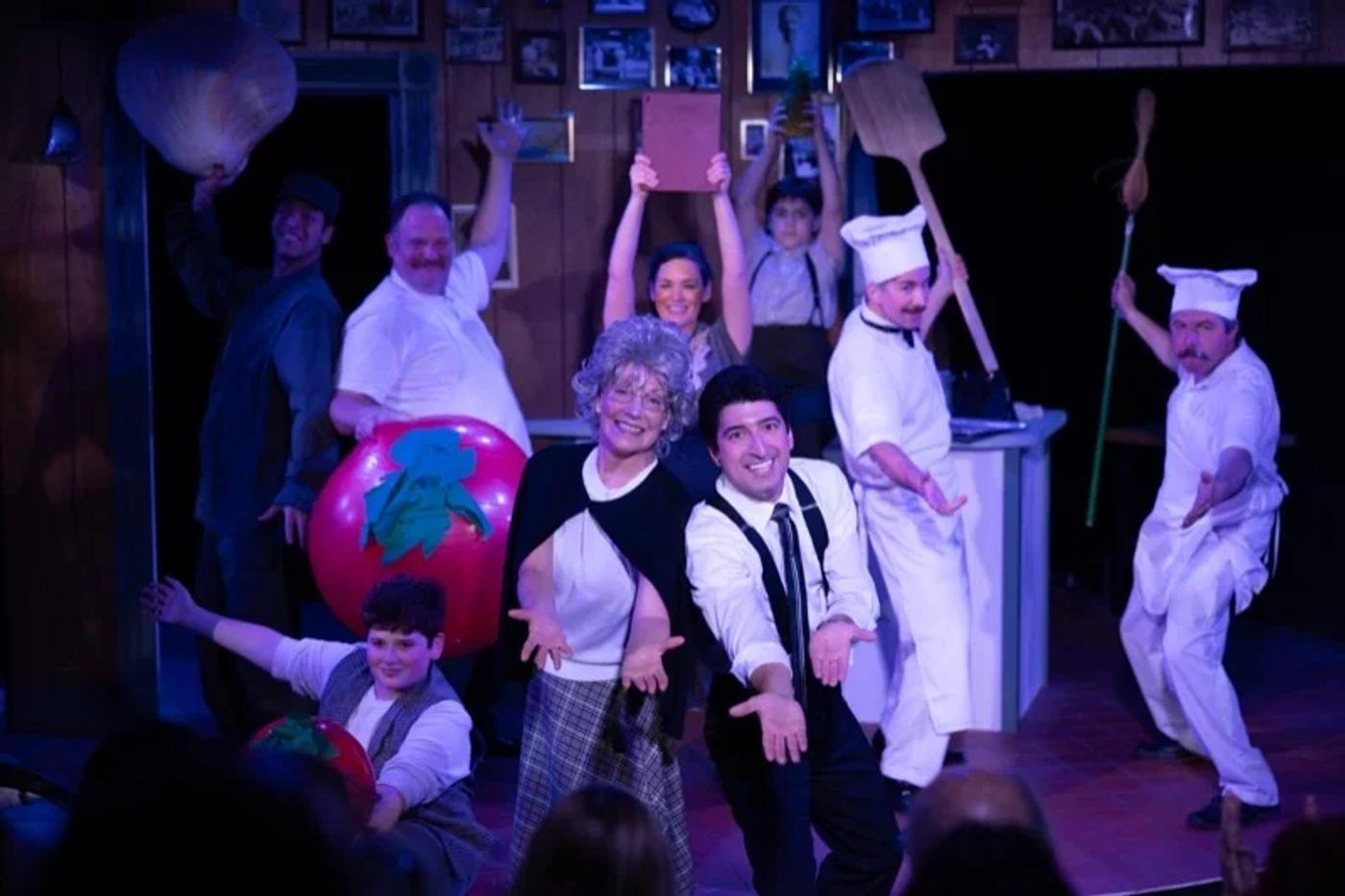
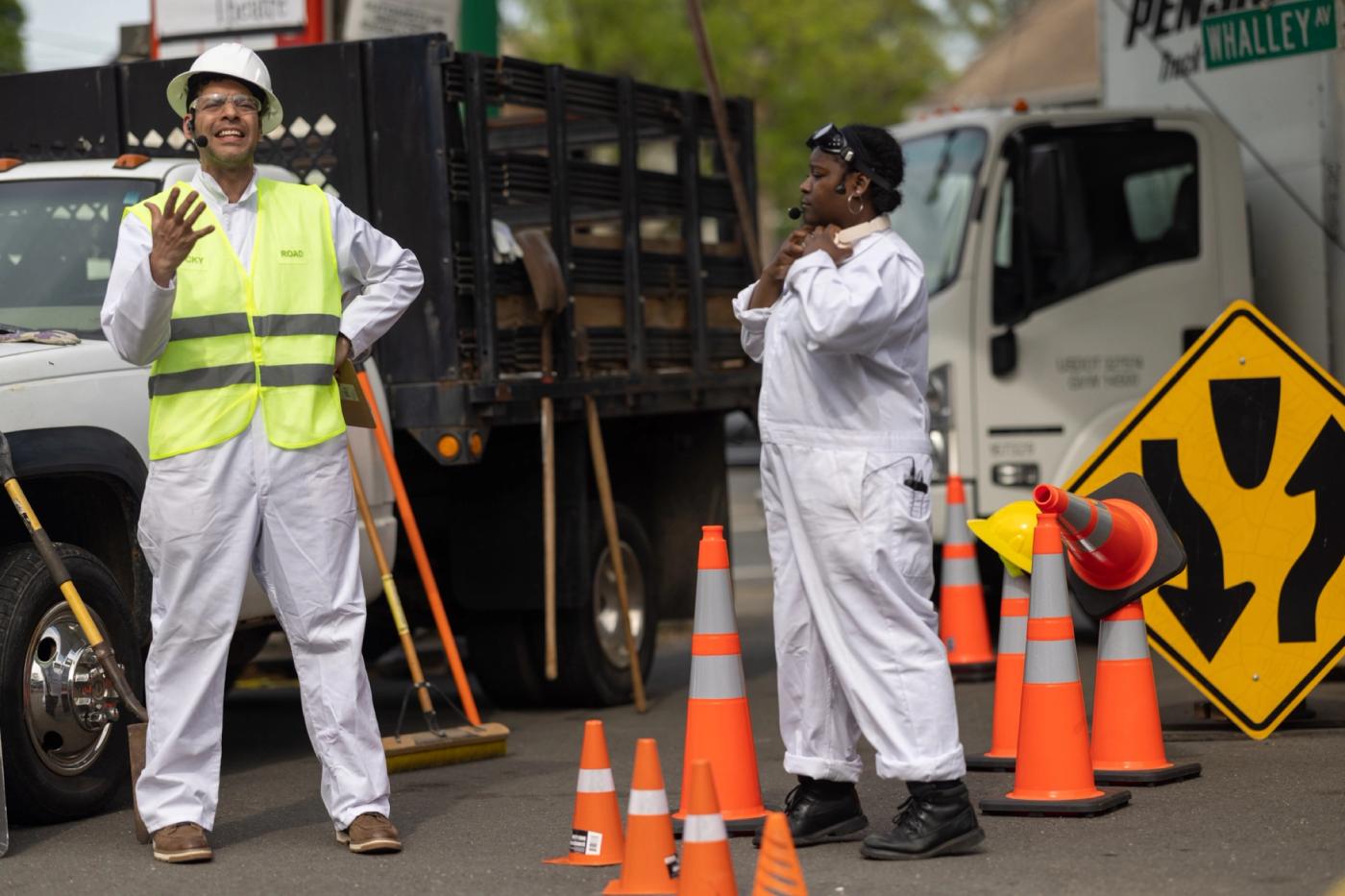
A Broken Umbrella Theatre presents a special preview of their newest work inspired by New Haven’s history, Revolutionary Haven.

In this 250th anniversary year, explore what it was like in New Haven in 1776 for Patriots, Loyalists, and those caught in between, as well as what may lie ahead in year 251 and beyond.

Downtown, Long Wharf, West Rock, Westville, Wooster SquareNeighborhoods in this work
1776

Revolutionary War

New Haven plays a visible role in the American Revolution and in the region's political realignment.

The People of Revolutionary Haven

Meet the people whose lives, work, testimony, and legends shape Revolutionary Haven—and explore the historical sources behind the stories.

Traitor or trader?

Benedict Arnold
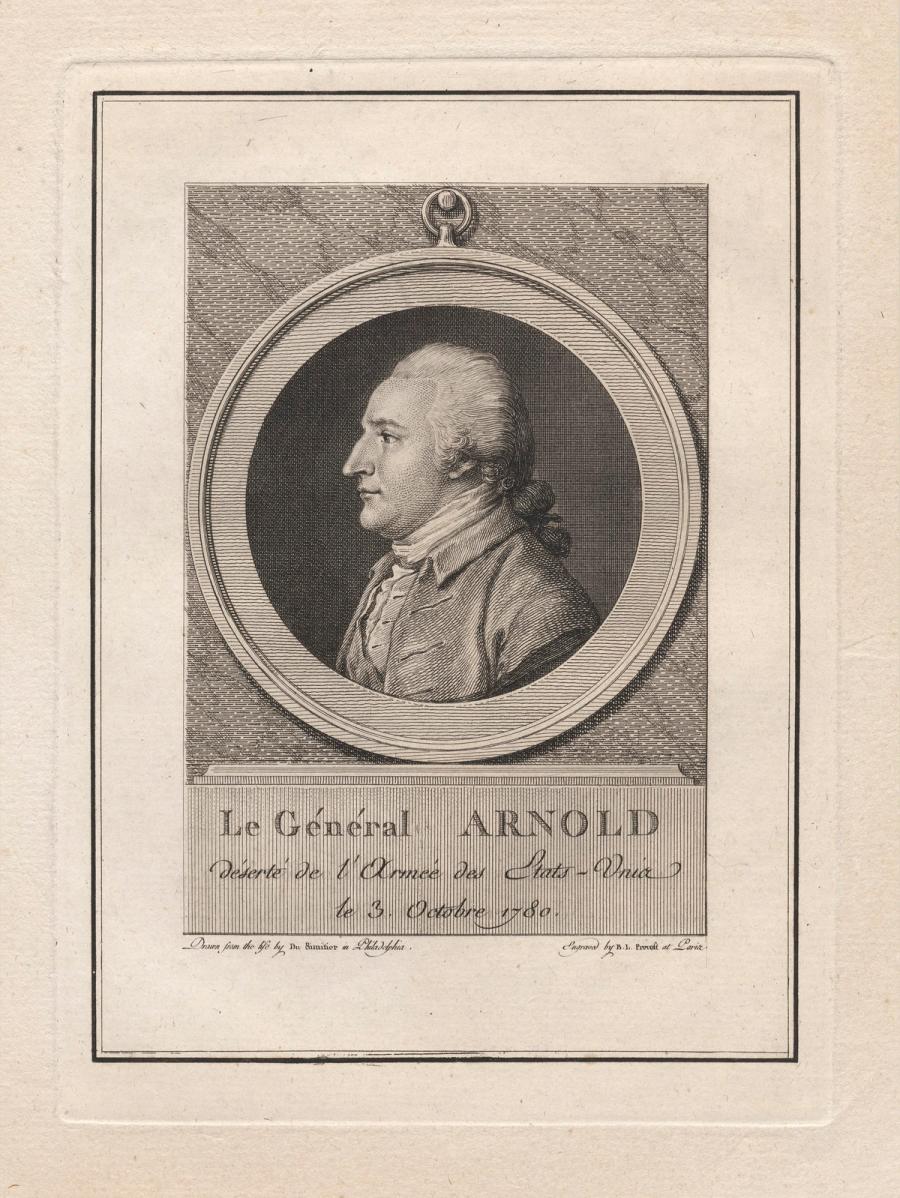
Engraved profile portrait of Benedict Arnold in uniform, facing left.
Benoît-Louis Prévost, after Pierre Eugène Du Simitière, Benedict Arnold, 1780. National Portrait Gallery, Smithsonian Institution. CC0.

On April 22, 1775, Benedict Arnold demanded the key to New Haven’s powder house so his militia company could march to support the fighting in Massachusetts. In Revolutionary Haven, his urgent calls to act collide with the selectmen’s caution—and with stories that refuse to leave him at center stage. Hannah Arnold’s work at the family shop reveals another side of the life behind his famous name.
The work horse, not the show horse.

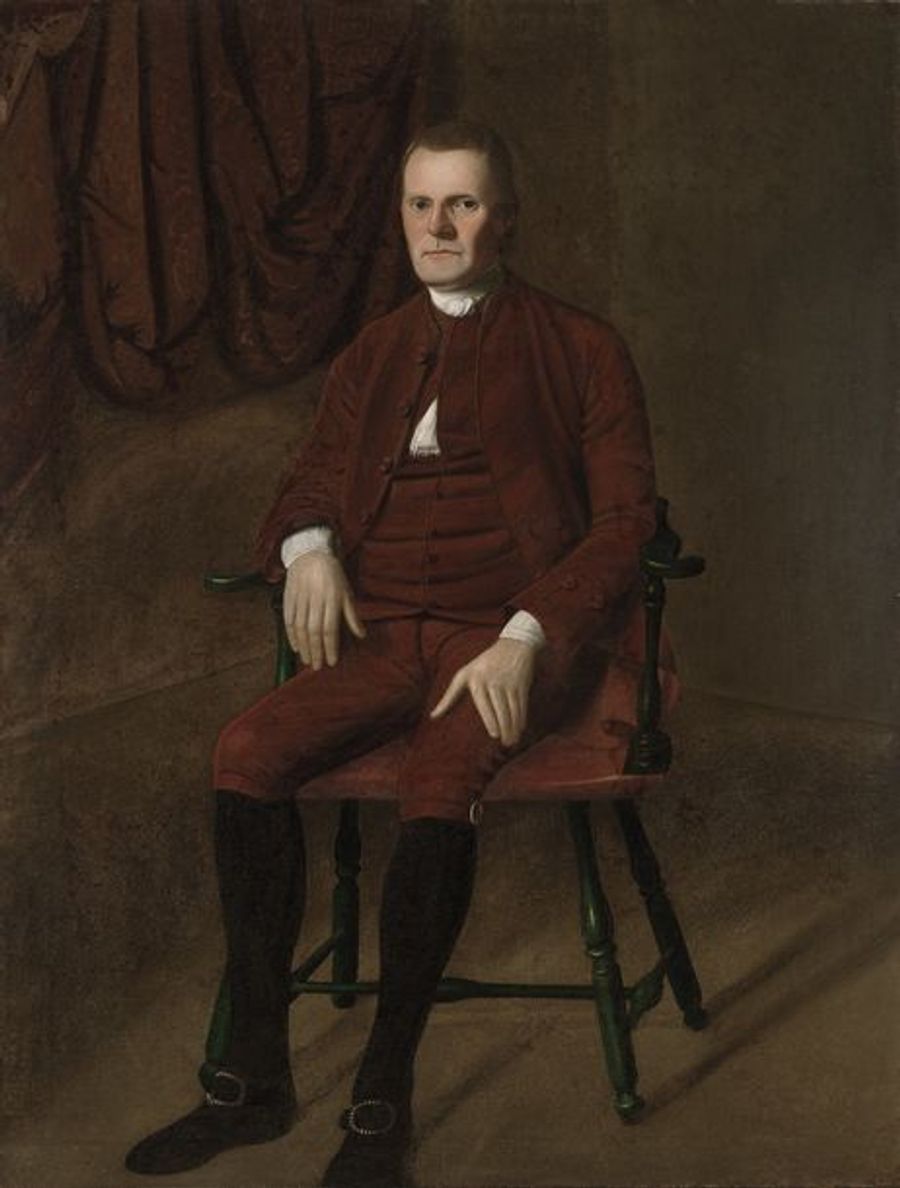
Roger Sherman

Roger Sherman seated in a wooden chair, wearing a reddish-brown suit, in Ralph Earl’s portrait.
Ralph Earl, Roger Sherman, ca. 1775. Yale University Art Gallery, via the U.S. Senate.

Roger Sherman signed the Continental Association, the Declaration of Independence, the Articles of Confederation, and the Constitution. He served on the Committee of Five that drafted the Declaration and later became New Haven’s mayor. In Revolutionary Haven, his patient committee work offers a counterpoint to Benedict Arnold’s dramatic demands. What does a revolution need from the people who build its government?

A midnight ride. A lasting legend.

Sybil Ludington

The story goes that sixteen-year-old Sybil Ludington rode through the night in 1777 to rally her father’s militia after British troops attacked Danbury. Her forty-mile ride became a celebrated tale of Revolutionary courage, but surviving accounts were recorded decades later, and historians still debate whether it happened. Remembered as a heroine, she also invites a question at the heart of Revolutionary Haven: how does a life become a legend, and who gets remembered?

The Revolution, in her own words.

Rose Luke

Rose Luke was a free Black woman in New Haven, married to Gad Luke, Jethro Luke’s son. When British troops invaded the city on July 5, 1779, she endured robbery, threats, and attempted sexual assault. Later that month, she gave sworn testimony describing what happened and how she resisted. Her account survives in the historical record, bringing the Revolution into the homes of the people who lived through it. Rose’s words ask us to remember whose safety and freedom were at stake.

Keeping the shop—and the household—afloat.

Hannah Arnold

Hannah Arnold was Benedict Arnold’s sister. In Revolutionary Haven, she keeps the Water Street shop and household running while her brother pursues trade and war. Her scene brings the Revolution into the daily work of caring for children, managing supplies, and keeping a business alive. The Library of Congress preserves a letter from Hannah to Benedict dated September 16, 1780—a chance to encounter her voice beyond his story.

Caution at the powder house.

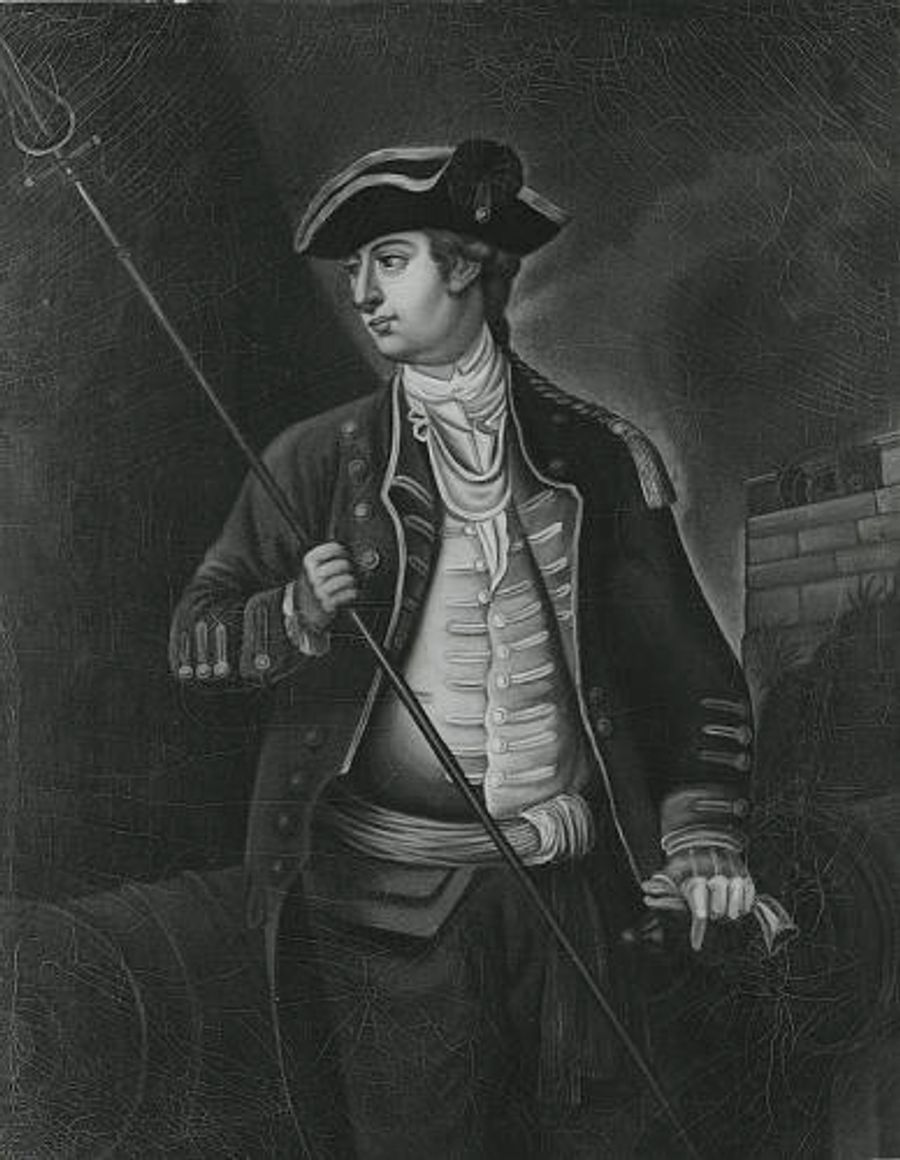
David Wooster

Monochrome painted portrait of David Wooster in military uniform, holding a polearm.
Unknown Chinese artist, David Wooster, 1821, after an eighteenth-century mezzotint. Yale University Art Gallery, Gift of Charles W. Wooster. Later portrait, not painted from life.

David Wooster helped lead Connecticut’s resistance to the British expedition against Danbury in 1777. Wounded while attacking the retreating British near Ridgefield, he died a few days later. In Revolutionary Haven, the earlier powder-house debate places him opposite Benedict Arnold: a dramatic argument over caution, responsibility, and the cost of choosing a side.

A Family that Built New Haven

Jethro Luke

Jethro Luke and his son Gad were free Black men whose work helped build Yale’s Connecticut Hall. Surviving accounts preserve traces of their labor alongside that of enslaved workers—people long absent from familiar stories about the university’s beginnings. Their family’s history connects the buildings of New Haven to the lives of those who built them, including Rose Luke, Gad’s wife.

Someone had to keep the Revolutionaries informed.

Hannah Bunce Watson

Born in Lebanon, Connecticut, Hannah Bunce Watson took over the Connecticut Courant in Hartford after her husband Ebenezer Watson died in 1777. Working with printer George Goodwin while raising five young children, she kept news of the Revolution in print. When a fire destroyed the paper mill, she and co-owner Sarah Ledyard sought support to rebuild it. Her work reminds us that the struggle for independence also depended on the people who kept information moving.

Support Work Like This

Original productions rooted in New Haven history only happen because people invest in the work behind them.

Make a donation
1776

Revolutionary War

New Haven plays a visible role in the American Revolution and in the region's political realignment.

The People of Revolutionary Haven

Meet the people whose lives, work, testimony, and legends shape Revolutionary Haven—and explore the historical sources behind the stories.

Traitor or trader?

Benedict Arnold

Engraved profile portrait of Benedict Arnold in uniform, facing left.
Benoît-Louis Prévost, after Pierre Eugène Du Simitière, Benedict Arnold, 1780. National Portrait Gallery, Smithsonian Institution. CC0.

On April 22, 1775, Benedict Arnold demanded the key to New Haven’s powder house so his militia company could march to support the fighting in Massachusetts. In Revolutionary Haven, his urgent calls to act collide with the selectmen’s caution—and with stories that refuse to leave him at center stage. Hannah Arnold’s work at the family shop reveals another side of the life behind his famous name.
The work horse, not the show horse.

Roger Sherman

Roger Sherman seated in a wooden chair, wearing a reddish-brown suit, in Ralph Earl’s portrait.
Ralph Earl, Roger Sherman, ca. 1775. Yale University Art Gallery, via the U.S. Senate.

Roger Sherman signed the Continental Association, the Declaration of Independence, the Articles of Confederation, and the Constitution. He served on the Committee of Five that drafted the Declaration and later became New Haven’s mayor. In Revolutionary Haven, his patient committee work offers a counterpoint to Benedict Arnold’s dramatic demands. What does a revolution need from the people who build its government?

A midnight ride. A lasting legend.

Sybil Ludington

The story goes that sixteen-year-old Sybil Ludington rode through the night in 1777 to rally her father’s militia after British troops attacked Danbury. Her forty-mile ride became a celebrated tale of Revolutionary courage, but surviving accounts were recorded decades later, and historians still debate whether it happened. Remembered as a heroine, she also invites a question at the heart of Revolutionary Haven: how does a life become a legend, and who gets remembered?

The Revolution, in her own words.

Rose Luke

Rose Luke was a free Black woman in New Haven, married to Gad Luke, Jethro Luke’s son. When British troops invaded the city on July 5, 1779, she endured robbery, threats, and attempted sexual assault. Later that month, she gave sworn testimony describing what happened and how she resisted. Her account survives in the historical record, bringing the Revolution into the homes of the people who lived through it. Rose’s words ask us to remember whose safety and freedom were at stake.

Keeping the shop—and the household—afloat.

Hannah Arnold

Hannah Arnold was Benedict Arnold’s sister. In Revolutionary Haven, she keeps the Water Street shop and household running while her brother pursues trade and war. Her scene brings the Revolution into the daily work of caring for children, managing supplies, and keeping a business alive. The Library of Congress preserves a letter from Hannah to Benedict dated September 16, 1780—a chance to encounter her voice beyond his story.

Caution at the powder house.

David Wooster

Monochrome painted portrait of David Wooster in military uniform, holding a polearm.
Unknown Chinese artist, David Wooster, 1821, after an eighteenth-century mezzotint. Yale University Art Gallery, Gift of Charles W. Wooster. Later portrait, not painted from life.

David Wooster helped lead Connecticut’s resistance to the British expedition against Danbury in 1777. Wounded while attacking the retreating British near Ridgefield, he died a few days later. In Revolutionary Haven, the earlier powder-house debate places him opposite Benedict Arnold: a dramatic argument over caution, responsibility, and the cost of choosing a side.

A Family that Built New Haven

Jethro Luke

Jethro Luke and his son Gad were free Black men whose work helped build Yale’s Connecticut Hall. Surviving accounts preserve traces of their labor alongside that of enslaved workers—people long absent from familiar stories about the university’s beginnings. Their family’s history connects the buildings of New Haven to the lives of those who built them, including Rose Luke, Gad’s wife.

Someone had to keep the Revolutionaries informed.

Hannah Bunce Watson

Born in Lebanon, Connecticut, Hannah Bunce Watson took over the Connecticut Courant in Hartford after her husband Ebenezer Watson died in 1777. Working with printer George Goodwin while raising five young children, she kept news of the Revolution in print. When a fire destroyed the paper mill, she and co-owner Sarah Ledyard sought support to rebuild it. Her work reminds us that the struggle for independence also depended on the people who kept information moving.

Downtown, Long Wharf, West Rock, Westville, Wooster SquareNeighborhoods in this work

Read the sources

Follow the words, records, and images behind Revolutionary Haven. Compare the stories we inherit with the evidence that survives.

  1. July 27, 1779

    Rose Luke’s testimony

    Rose described the British invasion of New Haven and the violence she resisted. Her sworn deposition is reproduced in the notes to Samuel Holden Parsons’s July 31 letter to George Washington. It is testimony, rather than a personal letter addressed to Washington.

    Read Rose Luke’s deposition

    Founders Online · National Archives

    On the source page, search for “Rose Luke” within the editorial notes.

  2. Henry Wadsworth Longfellow · 1860

    “Paul Revere’s Ride”

    The poem quoted and questioned in the show helped make Revere’s ride a national legend. Read Longfellow’s words alongside the National Park Service’s account of his research and poetic liberties.

    Read Longfellow’s poem

    Henry Wadsworth Longfellow · Maine Historical Society

    Explore the poem’s historical context
  3. May 31, 1779

    Washington’s orders to Sullivan

    The orders interwoven with Rose’s testimony in the show directed Major General John Sullivan to destroy settlements and crops of the Six Nations. Read the full document behind this scene’s questions about liberty, violence, and whose homes were protected.

    Read Washington’s orders

    Founders Online · National Archives

  4. The Declaration of Independence · 1776

    The Committee of Five

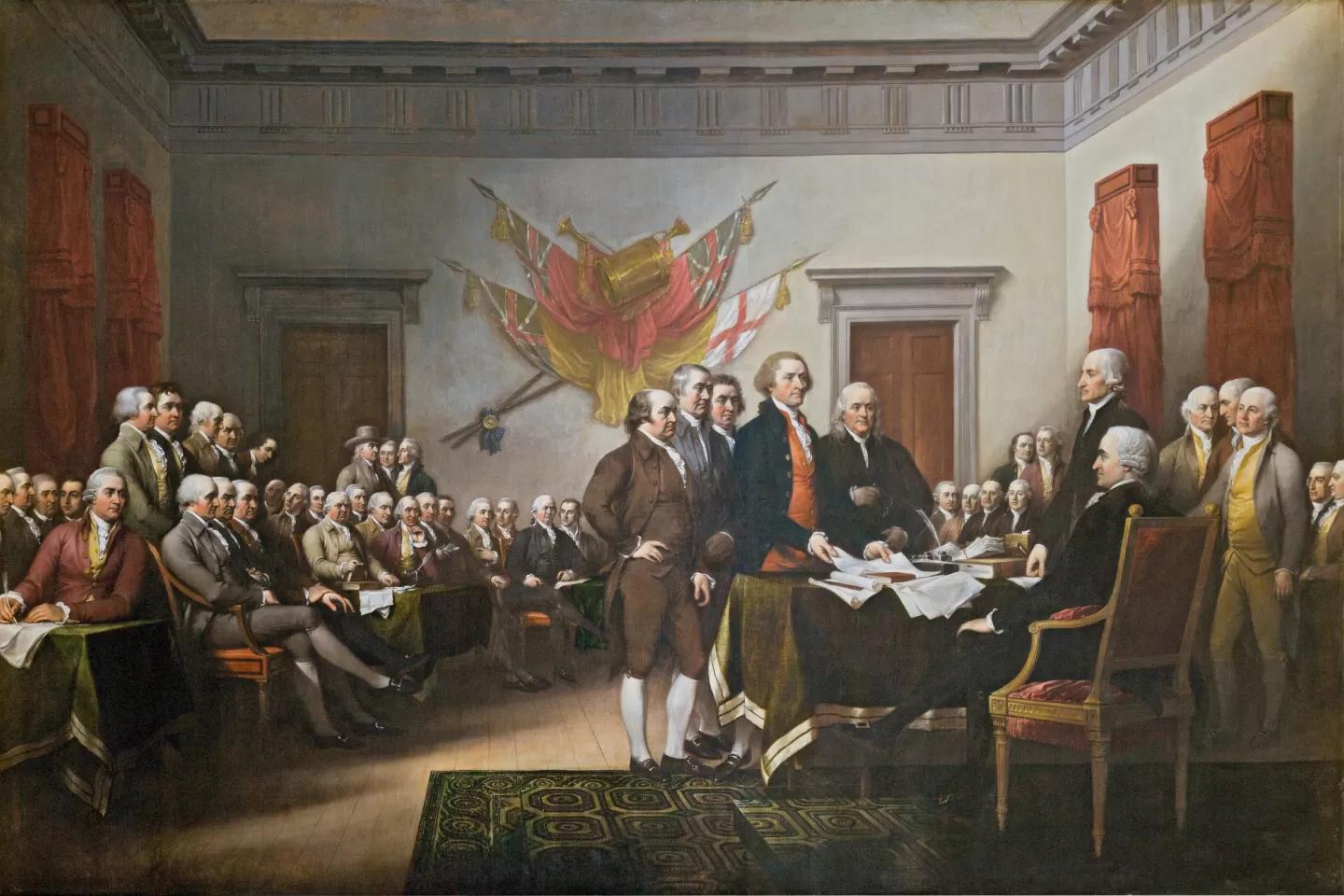
    Roger Sherman joined Thomas Jefferson, John Adams, Benjamin Franklin, and Robert R. Livingston on the committee that drafted the Declaration. Follow the wording from Jefferson’s first version through early revisions and committee edits in Princeton’s annotated manuscript viewer. Not every change can be attributed to an individual. Trumbull’s later painting below depicts the committee presenting its draft to Congress.

    Detail of John Trumbull’s painting showing the Committee of Five presenting the draft Declaration to John Hancock.
    John Trumbull, Declaration of Independence, 1818, detail. Architect of the Capitol.
    Explore Jefferson’s draft and the committee’s edits

    The Papers of Thomas Jefferson · Princeton University

    Look for the change from “sacred & undeniable” to “self-evident”—echoing the question at the end of the show.

    Meet the committee in Trumbull’s painting